
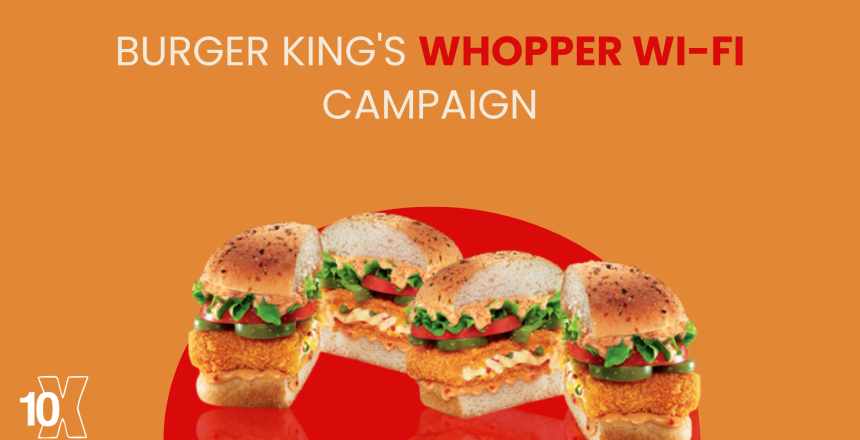
The fast food chain launched Burger King’s Whopper Wi-Fi campaign in 2009 to promote its Whopper sandwich and drive sales. The campaign featured a number of different elements, including online ads, social media posts, and in-store promotions.
One of the key elements of the Whopper Wi-Fi campaign was its focus on creating a sense of fun and humor. The campaign included a number of online ads and social media posts that featured jokes and puns related to the Whopper sandwich and Wi-Fi technology, which helped to generate a significant amount of buzz and engagement. For example, one of the ads featured a person holding a Whopper sandwich and a Wi-Fi router, with the caption “Whopper Wi-Fi: Connect to a better sandwich.” This humor helped make the campaign memorable and entertaining for consumers.
In addition to creating a sense of fun and humor, the Whopper Wi-Fi campaign also included a number of other elements that helped to drive sales and customer engagement. For example, the campaign included in-store promotions that offered customers special deals and discounts on the Whopper sandwich and other menu items. These promotions helped drive traffic and sales for the fast food chain and helped increase the Whopper sandwich’s perceived value.
Overall, the Whopper Wi-Fi campaign was a success for Burger King. The campaign’s focus on humor and engagement helped to generate a significant amount of buzz and excitement for the Whopper sandwich and contributed to an increase in sales and customer satisfaction for the company. The campaign’s success helped to reinforce Burger King’s position as a leader in the fast food industry.
Reasons for the success of Burger King’s Whopper Wi-Fi campaign
There are a few potential reasons for the success of Burger King’s Whopper Wi-Fi campaign.
- Unique and memorable concept: The campaign was based on using Whopper burgers as a makeshift Wi-Fi hotspot, a novel and attention-getting concept.
- Use of humor: The campaign included humorous elements, such as the tagline “Whopper Wi-Fi: Finally, a reason to eat a Whopper,” which likely helped to engage and entertain audiences.
- Integration of technology: By using practical and relevant technology like Wi-Fi, Burger King was able to appeal to a tech-savvy audience and stay relevant in the digital age.
- Strong execution: The campaign was executed well, with clear messaging and consistent branding throughout all marketing materials.
- Timing: The campaign was launched when Wi-Fi became increasingly important to people, which likely helped increase its appeal.
Limitations to Burger King’s Whopper Wi-Fi campaign
Some potential criticisms of the campaign could include concerns about data privacy, as customers connecting to the Wi-Fi network may be required to share personal information to access the service. Additionally, some customers may be hesitant to connect to a potentially unfamiliar Wi-Fi network, especially if they are unfamiliar with the company providing the service.
Marketing lessons from Burger King’s Whopper Wi-Fi campaign
- Use innovative and unique marketing techniques to differentiate your brand and stand out in a crowded market. Burger King’s Whopper Wi-Fi campaign used a clever and unconventional approach by turning their restaurants into public Wi-Fi hotspots, which was a novel idea at the time.
- Leverage the power of partnerships and collaborations to amplify your marketing efforts. Burger King partnered with Google to turn their restaurants into Wi-Fi hotspots, which helped increase the campaign’s reach and impact.
- Use social media and digital platforms to engage customers and build a loyal following. Burger King used social media platforms like Facebook and Twitter to promote the Whopper Wi-Fi campaign and encourage customers to share their experiences online.
- Create personalized and memorable customer experiences to foster brand loyalty. By offering customers free Wi-Fi, Burger King created a positive and convenient customer experience that made people more likely to return in the future.
- Use data and insights to drive marketing strategies and make informed decisions. Burger King likely used data and analytics to understand customer behavior and preferences, which helped them to create a successful marketing campaign that resonated with their target audience.