
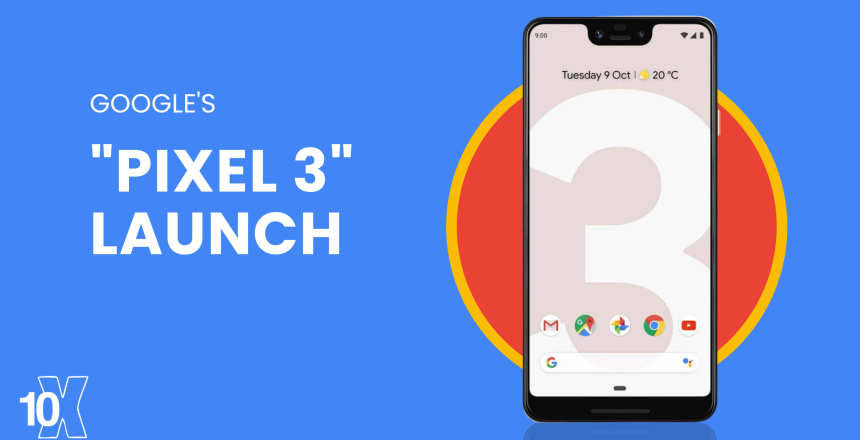
Google’s Pixel 3 was a smartphone launched by the company in 2018. The device was the flagship model in Google’s Pixel lineup and featured a number of unique and innovative features.
One of the key elements of the Pixel 3 launch was its focus on providing users with a high-quality and intuitive user experience. The device featured a sleek and compact design and was easy to set up and use. This made it accessible and appealing to a wide range of users and helped to increase the adoption and usage of the device.
In addition to its focus on user experience, the Pixel 3 launch also included a number of other elements that helped to generate excitement and buzz for the device. For example, Google partnered with several retailers and carriers to offer special promotions and discounts for Pixel 3 users, which helped drive the adoption and usage of the device. Google also used its social media channels and other marketing channels to promote the launch of the Pixel 3, which helped to generate additional buzz and engagement.
Overall, the Pixel 3 launch was a success for Google. The device’s focus on user experience and its partnerships and promotions helped generate a significant amount of buzz and excitement and contributed to strong sales for the company. The success of the Pixel 3 helped to reinforce Google’s position as a leader in the smartphone industry.
Reasons for the success of Google’s Pixel 3 launch
There are several potential reasons for the success of Google’s Pixel 3 launch:
- Strong brand recognition: Google has a strong brand presence in the tech industry, and the Pixel line has established a reputation for high-quality smartphones. This helped generate buzz and anticipation for the Pixel 3 launch.
- Innovative features: The Pixel 3 offered several new features not available on other smartphones, such as a top-of-the-line camera and a Night Sight mode that allowed for better low-light photography. These features helped differentiate the Pixel 3 from other smartphones and made it appealing to consumers.
- Targeted marketing: Google used targeted marketing to reach specific demographics and generate interest in the Pixel 3. For example, they used YouTube and other digital platforms to reach younger audiences and showcase the smartphone’s features.
- Strategic partnerships: Google partnered with major retailers and carriers to offer the Pixel 3, which made it more accessible to consumers and helped drive sales.
- Positive reviews: The Pixel 3 received largely positive reviews from tech reviewers and influencers, which helped boost its reputation and credibility with consumers.
Criticism against Google’s Pixel 3 launch
Some potential criticism against Google’s Pixel 3 launch could include the following:
- High price point: Some users may have felt that the Pixel 3 was too high, especially compared to other smartphones on the market.
- Lack of standout features: Some critics may have felt that the Pixel 3 did not have any standout features that made it stand out from other smartphones on the market.
- Performance issues: Some users may have experienced performance issues with the Pixel 3, such as slow performance or battery life issues.
- Lack of carrier support: The Pixel 3 was initially only available through Verizon in the US, which may have limited its appeal to users on other carriers.
- Lack of carrier discounts: The Pixel 3 was not eligible for carrier discounts, which may have made it less appealing to users looking for a discount on their smartphone purchases.
Limitations to Google’s Pixel 3 launch
There are a few potential limitations to Google’s Pixel 3 launch:
- Competition: The smartphone market is highly competitive, with many other manufacturers vying for market share. This can make it difficult for any brand to stand out and gain a significant market share.
- Price: The Pixel 3 was released at a premium price point, which may have made it less appealing to some potential buyers.
- Features: The Pixel 3 may not have had all the features that some users were looking for, such as a headphone jack or expandable storage.
- Limited availability: The Pixel 3 was only available in a few select markets, which may have limited its reach and potential success.
Marketing lessons from Google’s Pixel 3 launch
Some potential marketing lessons that could be learned from Google’s Pixel 3 launch include the following:
- Invest in high-quality products: A strong product can drive sales and help a company stand out in a crowded market.
- Focus on targeting the right audience: Identifying and targeting the right audience is critical to the success of any marketing campaign.
- Invest in marketing and advertising: Marketing and advertising are crucial for generating buzz and driving sales.
- Consider distribution and availability: Ensuring that a product is widely available and easy to find is important for driving sales.