
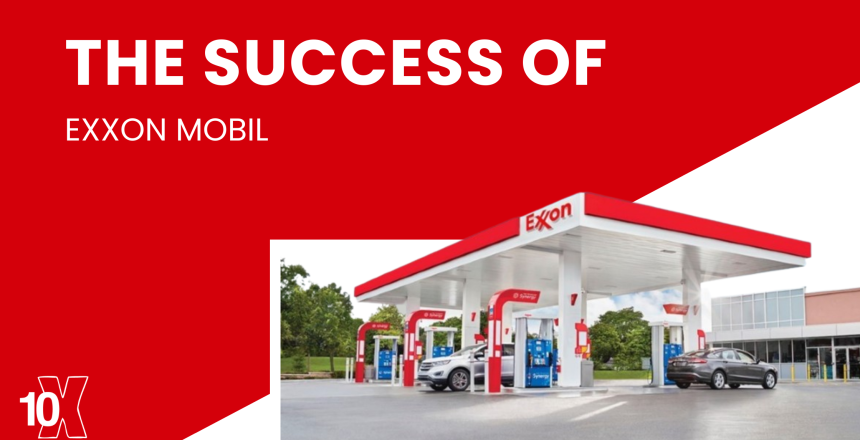
Introduction to Exxon Mobil: History and growth
Exxon Mobil is one of the world’s largest and most successful oil and gas companies. Founded in 1999 through the merger of Exxon and Mobil, the company has a long history of exploration, production, refining, and marketing of petroleum products. Exxon Mobil’s success can be attributed to a number of factors, including its strong financial performance, focus on innovation, and commitment to safety and environmental responsibility.
Exxon Mobil’s business model and key strategies
One of the key factors contributing to Exxon Mobil’s success is its strong financial performance. The company has consistently generated significant profits, even during times of economic downturn or low oil prices. This is partly due to Exxon Mobil’s focus on cost-cutting and efficiency and its diverse portfolio of assets and operations. In addition, Exxon Mobil has a strong balance sheet and a conservative financial strategy, which has allowed it to weather market volatility and maintain a strong credit rating.
Another factor contributing to Exxon Mobil’s success is its focus on innovation. The company has a long history of investing in research and development, which has led to developing new technologies and processes. This includes using advanced drilling techniques and developing new energy sources, such as biofuels and natural gas. These efforts have allowed Exxon Mobil to remain at the forefront of the industry and maintain its competitive edge.
In addition to its strong financial performance and focus on innovation, Exxon Mobil has also been committed to safety and environmental responsibility. The company has strict safety protocols in place at its operations and a track record of meeting or exceeding industry standards for safety and environmental performance. This commitment has helped to protect the company’s reputation and build trust with stakeholders.
Overall, Exxon Mobil’s success can be attributed to a combination of factors, including its strong financial performance, focus on innovation, and commitment to safety and environmental responsibility. The company’s commitment to these principles has allowed it to thrive in a challenging and dynamic industry and become one of the world’s leading oil and gas companies.
Exxon Mobil’s impact on the oil and gas industry
Exxon Mobil is a leading global oil and gas company with a long history of operations dating back to the late 19th century. It has significantly shaped the modern oil and gas industry, particularly through its pioneering work in exploration, production, refining, and distribution. Over the years, Exxon Mobil has become one of the largest and most influential companies, with a strong presence in countries worldwide. It has contributed significantly to the development of new technologies and processes in the industry, helping to drive down costs and increase efficiency. However, Exxon Mobil has also faced criticism and controversy over its environmental and social impacts, particularly in relation to climate change and human rights issues. Despite these challenges, it has continued to be a major player in the oil and gas industry, with a strong reputation for innovation and a long track record of profitability.
Challenges and criticisms faced by Exxon Mobil
Exxon Mobil, one of the world’s largest oil and gas companies, has faced numerous challenges and criticisms throughout its history. One major criticism has been the company’s environmental impact. Exxon Mobil has been accused of contributing to climate change through its production and use of fossil fuels and has faced backlash for its involvement in oil spills and other environmental disasters. In addition, the company has faced criticism for its practices in relation to human rights, including allegations of supporting repressive regimes and engaging in unethical business practices. Additionally, Exxon Mobil has faced competition from other oil and gas companies and increased pressure to shift toward renewable energy sources.
Case study analysis: Key factors contributing to Exxon Mobil’s success
Exxon Mobil is one of the world’s largest and most successful oil and gas companies. Founded in 1870, the company has a long history of exploration, production, and refining of oil and natural gas. In the company’s early days, Exxon Mobil focused on domestic oil production in the United States. However, as the oil demand grew and the company expanded its operations, it began exploring oil and gas in other parts of the world, including the Middle East and Africa.
One key factor contributing to Exxon Mobil’s success has been its ability to access and develop large oil and gas reserves. The company has a long history of making successful bids for oil and gas fields worldwide, and it has a reputation for being able to extract oil and gas from difficult-to-reach areas. Additionally, Exxon Mobil has invested heavily in technology, research, and development, allowing it to find and extract oil and gas more efficiently and cost-effectively.
Another factor contributing to Exxon Mobil’s success has been its focus on downstream operations, including refining and marketing. The company has a large network of refineries and fuel retail outlets around the world, which allows it to turn raw oil and gas into a range of products, including gasoline, diesel, and heating oil. Additionally, Exxon Mobil has a strong presence in the chemical industry, with several subsidiaries that produce a range of chemicals used in various industries.
Despite its success, Exxon Mobil has faced a number of challenges and criticisms over the years. One major criticism has been the company’s environmental record, with many accusing the company of contributing to climate change and other environmental problems.
Additionally, the company has faced criticism for its relationships with governments in its operating countries, with some accusing the company of exploiting local resources and taking advantage of lax regulations. Finally, Exxon Mobil has faced competition from other oil and gas companies, which has led to intense price competition and pressure on margins.
Conclusion: Lessons from Exxon Mobil’s success
Exxon Mobil is one of the oil and gas industry’s largest and most influential companies. Founded in 1870, the company has a long history of exploring, producing, and distributing fossil fuels. Exxon Mobil operates in over 50 countries and is a major player in the global energy market.
Despite its size and influence, Exxon Mobil has faced numerous challenges and criticisms over the years. The company has been accused of environmental violations and has been the target of protests and lawsuits related to its impact on the planet. In addition, Exxon Mobil has faced criticism for its role in promoting climate change denial and lobbying efforts to influence energy policy.
Despite these challenges, Exxon Mobil has continued to be a successful and profitable company. Key factors contributing to its success include its extensive resources and infrastructure, strong financial position, and ability to adapt to changing market conditions. Exxon Mobil has also been able to maintain its position as a leader in the industry through strategic acquisitions and partnerships.
In conclusion, Exxon Mobil’s success can be attributed to many factors, including its vast resources, financial strength, and ability to adapt to changing market conditions. The company’s success is a valuable lesson for other businesses in the oil and gas industry and beyond.