
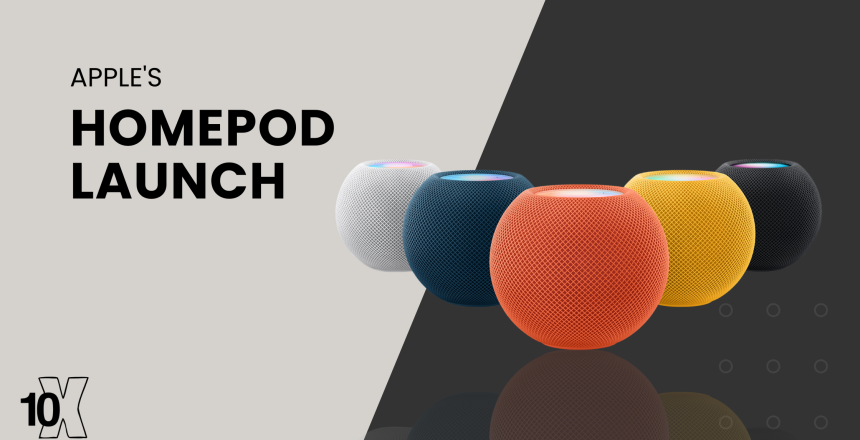
Apple’s HomePod was a smart speaker launched by the company in 2018. The device was designed to be a convenient and easy-to-use option for accessing various music and other audio content and featured a number of unique and innovative features.
One of the key elements of the HomePod launch was its focus on providing users with a high-quality and intuitive user experience. The device featured a sleek and stylish design and was easy to set up and use. This made it accessible and appealing to a wide range of users and helped to increase the adoption and usage of the device.
In addition to its focus on user experience, the HomePod launch also included a number of other elements that helped to generate excitement and buzz for the device. For example, Apple partnered with several retailers and carriers to offer special promotions and discounts for HomePod users, which helped drive the adoption and usage of the device. Apple also used its social media channels and other marketing channels to promote the launch of the HomePod, which helped to generate additional buzz and engagement.
Overall, the HomePod launch was a success for Apple. The device’s focus on user experience and its partnerships and promotions helped generate a significant amount of buzz and excitement and contributed to strong sales for the company. The success of the HomePod helped to reinforce Apple’s position as a leader in the smart speaker industry.
Reasons for the success of Apple’s HomePod launch
There are a few potential reasons for the success of Apple’s HomePod launch:
- Strong brand recognition and loyalty: Apple has a strong reputation for producing high-quality products, which likely contributed to the success of the HomePod.
- Unique features: The HomePod offered unique features such as room-sensing technology and the ability to control other smart home devices, which may have attracted consumers.
- High-quality sound: The HomePod was marketed as having high-quality sound, which may have appealed to audiophiles.
- Integration with other Apple products: The HomePod was designed to work seamlessly with other Apple products, such as iPhones and iPods. This may have made it attractive to users who already owned other Apple products.
Criticism against Apple’s HomePod launch
Here are some potential criticisms that may have been levied against Apple’s HomePod launch:
- Price: The HomePod was released at a relatively high price point compared to other smart speakers on the market, which may have deterred some potential customers.
- Limited functionality: The HomePod was initially limited in terms of the types of tasks it could perform, which may have been seen as a drawback compared to other smart speakers that offered more features.
- Siri integration: Some users may have had issues with the integration of Siri on the HomePod, either in terms of accuracy or functionality.
- Limited compatibility: The HomePod was initially only compatible with Apple devices, which may have limited its appeal to those using other devices.
- Sound quality: Some reviewers and users may have had mixed opinions on the sound quality of the HomePod, which may have affected its overall success.
Limitations to Apple’s HomePod launch
Some potential limitations to Apple’s HomePod launch could include the following:
- Limited compatibility with other devices: The HomePod is only compatible with Apple devices, which may limit its appeal to those using other devices.
- High price point: The HomePod was initially priced at $349, which may have deterred some potential customers from purchasing it.
- Limited functionality: The HomePod primarily focuses on providing high-quality audio and voice control, which may not appeal to those looking for a more versatile smart home device.
- Competition from other smart speakers: The HomePod faced competition from other popular smart speakers, such as the Amazon Echo and Google Home, which may have limited its success.
Marketing lessons from Apple’s HomePod launch
There are a few potential marketing lessons that could be learned from Apple’s HomePod launch:
- The importance of targeting the right audience: Apple’s HomePod is a high-end smart speaker targeted at a more premium market than the mass market. This allowed Apple to differentiate itself from other smart speakers and appeal to a specific audience that values quality and is willing to pay a higher price.
- The role of partnerships and collaborations: Apple’s HomePod was developed in collaboration with the home audio company Bowers & Wilkins. This partnership allowed Apple to leverage Bowers & Wilkins’ expertise in audio engineering to create a high-quality speaker.
- The value of strong branding: Apple is known for its strong brand and loyal customer base. This helped drive the early adoption of the HomePod and contributed to its success.
- The impact of timing: The HomePod was launched when the smart speaker market started to take off, which helped drive its success.