
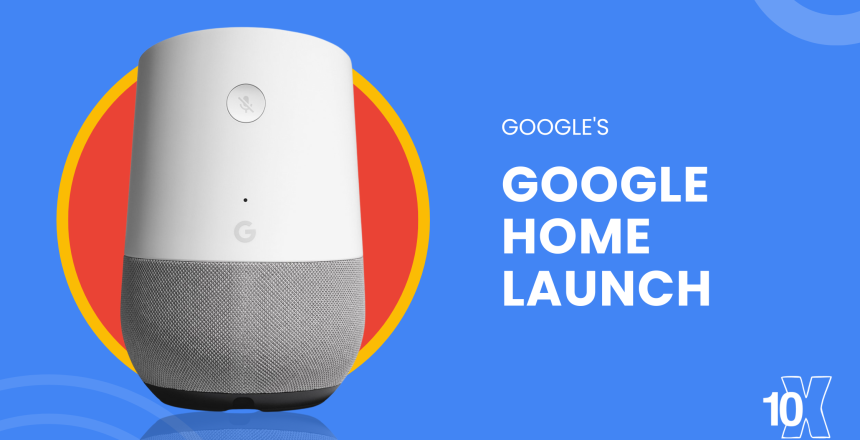
Google’s Google Home was a smart speaker launched in 2016. The device was designed to be an easy and convenient way for users to interact with Google Assistant and access various information and services using voice commands.
One of the key elements of the Google Home launch was its focus on providing a simple and intuitive user experience. The device featured a sleek and compact design and was easy to set up and use. This made it accessible and appealing to a wide range of users and helped to increase the adoption and usage of the device.
In addition to its focus on user experience, the Google Home launch also included a number of other elements that helped to generate excitement and buzz for the device. For example, Google partnered with several companies and organizations to offer special promotions and discounts for Google Home users, which helped drive the adoption and usage of the device. Google also used its social media channels and other marketing channels to promote the launch of Google Home, which helped to generate additional buzz and engagement.
Overall, the Google Home launch was a success for Google. The device’s focus on user experience, along with its partnerships and promotions, helped generate a significant amount of buzz and excitement and contributed to increased adoption and usage of the device. Google Home’s success helped reinforce Google’s position as a leader in the smart speaker industry.
Reasons for the success of Google’s Google Home launch
There are several potential reasons for the success of Google’s Google Home launch:
- Strong brand recognition: Google is a well-known and trusted brand, which may have helped to build confidence in the Google Home product.
- Innovation: Google Home was one of the first smart speakers on the market, which may have helped it stand out from competitors.
- Compatibility with other Google products: Google Home was designed to work seamlessly with other Google products, such as Google Assistant and Google Chromecast, which may have made it more appealing to consumers.
- Integration with popular services: Google Home was able to integrate with popular services like Spotify and Netflix, making it more convenient for users.
- Marketing efforts: Google likely invested heavily in marketing the Google Home product, using various channels such as television, online ads, and social media to promote it.
Criticism against Google’s Google Home launch
Some potential criticisms that could be leveled against the launch of Google Home could include concerns about privacy and security, as well as potential issues with the functionality or performance of the device. There may also have been criticisms related to the pricing or value proposition of Google Home or concerns about its compatibility with other devices and platforms. Additionally, there may have been criticisms related to the design or aesthetics of the device or its appeal to certain demographics or market segments.
Limitations to Google’s Google Home launch
There could be several limitations to Google’s Google Home launch. Some potential limitations could include the following:
- Competition: Google Home may face competition from other smart home devices, such as Amazon’s Echo or Apple’s HomePod. This could make it difficult for Google Home to gain market share.
- Limited functionality: Google Home may have limited functionality compared to other smart home devices, which could limit its appeal to consumers.
- Cost: Google Home may be more expensive than other smart home devices, which could make it less appealing to budget-conscious consumers.
- Limited compatibility: Google Home may not be compatible with all devices and appliances, which could limit its usefulness to consumers.
- Privacy concerns: Some consumers may be concerned about the potential for Google Home to collect and use their data, which could discourage them from using the device.
Marketing lessons from Google’s Google Home launch
Some general marketing lessons that could be learned from launching a product like Google Home could include creating a strong brand identity and messaging, conducting market research to understand consumer needs and preferences, effectively promoting and positioning the product, and effectively managing the customer experience. Other potential lessons could include using data and analytics to inform decision-making, leveraging partnerships and collaborations to reach new audiences, and effectively managing the launch process to ensure a smooth and successful rollout.