
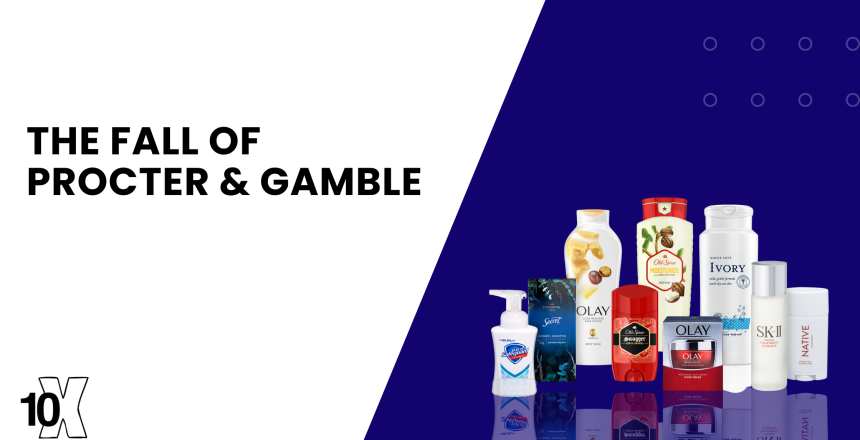
Introduction to Procter & Gamble
Procter & Gamble is a multinational corporation that was founded in 1837. The company has a long history of producing and marketing a wide range of consumer products, including household cleaners, personal care products, and health care products. In recent years, however, Procter & Gamble has faced a number of challenges that have contributed to its fall from grace.
The rise of challenges to Procter & Gamble’s dominance
One of the biggest challenges that Procter & Gamble has faced is a series of lawsuits and legal settlements related to the safety and efficacy of its products. For example, in 2010, the company was forced to pay $3.1 million to settle a lawsuit over the safety of its Crest Whitestrips teeth whitening product, which was found to cause tooth sensitivity and other side effects in some users. In 2014, the company agreed to pay $12 million to settle a federal investigation into the marketing of its Pampers brand diapers, which were found to be potentially dangerous for certain infants.
Another major challenge that Procter & Gamble has faced is increasing competition from other consumer product companies. In recent years, many other companies have entered the market, offering new and improved products that are often cheaper and more effective than Procter & Gamble’s products. This has made it more difficult for Procter & Gamble to maintain its market share and has contributed to its decline.
In addition to these challenges, Procter & Gamble has also been criticized for its pricing policies. Some argue that the company has been charging excessively high prices for its products. This has led to backlash from consumers and advocacy groups and has damaged the company’s reputation.
Overall, the fall of Procter & Gamble can be attributed to a combination of factors, including legal and safety controversies, increased competition, and pricing controversies. Despite its challenges, Procter & Gamble remains a major player in the consumer product industry and continues to develop and produce a wide range of products worldwide.
Procter & Gamble’s response to the changing market
Procter & Gamble (P&G) is a multinational consumer goods company that has faced a number of challenges in the changing market in recent years. In response, P&G has implemented a number of strategies to adapt to these changes and remain competitive.
One of the main challenges P&G has faced is the increasing popularity of online shopping and e-commerce. In response, the company has focused on strengthening its online presence and increasing its digital marketing efforts. P&G has also made efforts to improve the efficiency of its supply chain and streamline its operations to reduce costs and increase profitability.
Another challenge P&G has faced is the growing demand for more natural and sustainable products. In response, the company has increased its investment in research and development to create more environmentally-friendly products and packaging. P&G has also committed to using 100% renewable electricity in its manufacturing processes by 2030.
In addition to these strategies, P&G has diversified its product portfolio by acquiring smaller companies and entering new markets. Through these efforts, P&G aims to remain competitive and continue to grow in the changing market.
The decline of Procter & Gamble’s market share
It is difficult to accurately assess the overall market share of Procter & Gamble as the company operates in a wide range of industries, including personal care, home care, and healthcare. However, the company has faced several challenges in recent years, including increased competition from traditional and newer, more innovative companies.
Procter & Gamble has focused on streamlining its operations, improving efficiency, and investing in research and development to bring new, innovative products to market. The company has also sought to expand its presence in emerging markets, where it sees significant growth potential. Despite these efforts, Procter & Gamble’s market share may have declined in certain categories or regions due to increased competition and changing consumer preferences.
The future of Procter & Gamble in a highly competitive market
Procter & Gamble is a household name that has been around for over 150 years. As one of the largest consumer goods companies in the world, Procter & Gamble has a strong presence in various markets, including personal care, household cleaning, and baby products. However, in recent years, the company has faced challenges as consumers shift towards more natural and eco-friendly products.
Procter & Gamble has tried to reinvent itself and stay relevant in response to this changing market. This includes introducing new products made with natural ingredients and reducing their environmental impact through sustainable packaging and manufacturing practices. Procter & Gamble has also made acquisitions of smaller, more innovative companies to stay ahead of trends and bring new ideas to the table.
Despite these efforts, Procter & Gamble’s market share has recently declined. This can be attributed to increased competition from established players and smaller, up-and-coming brands. However, Procter & Gamble’s strong brand recognition and loyal customer base give it a solid foundation to build upon. In the future, it will be important for the company to continue adapting and innovating to remain competitive in a rapidly changing market.